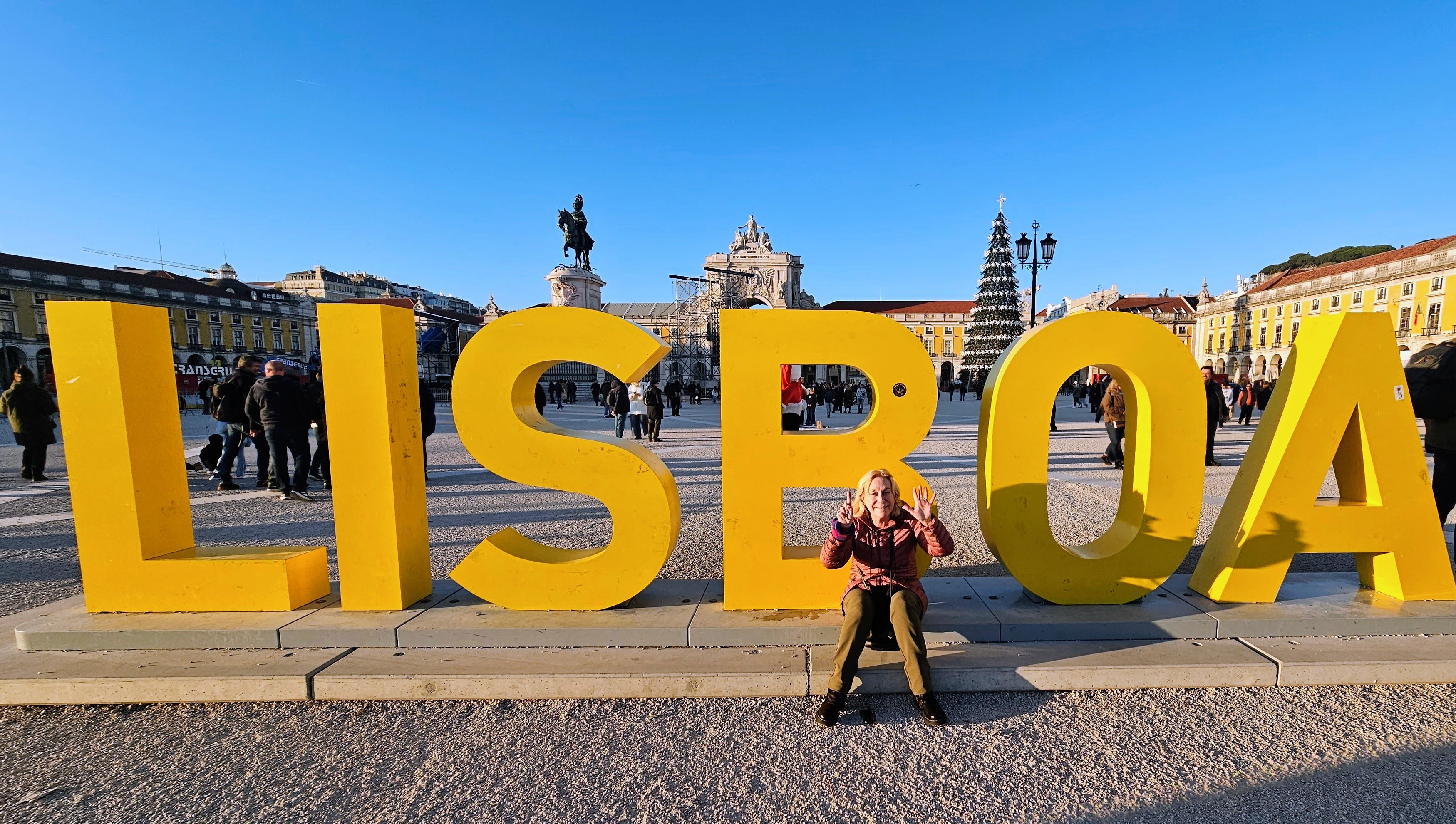
Boas Festas!
- Ringing in 2026 in Bela Lisboa

I celebrate my New Year’s birthday in a different place each year. Lisbon is where we rang in 2026. It was my first visit, and we generously gave ourselves ten days to explore the city’s history, culture, cuisines and neighborhoods.
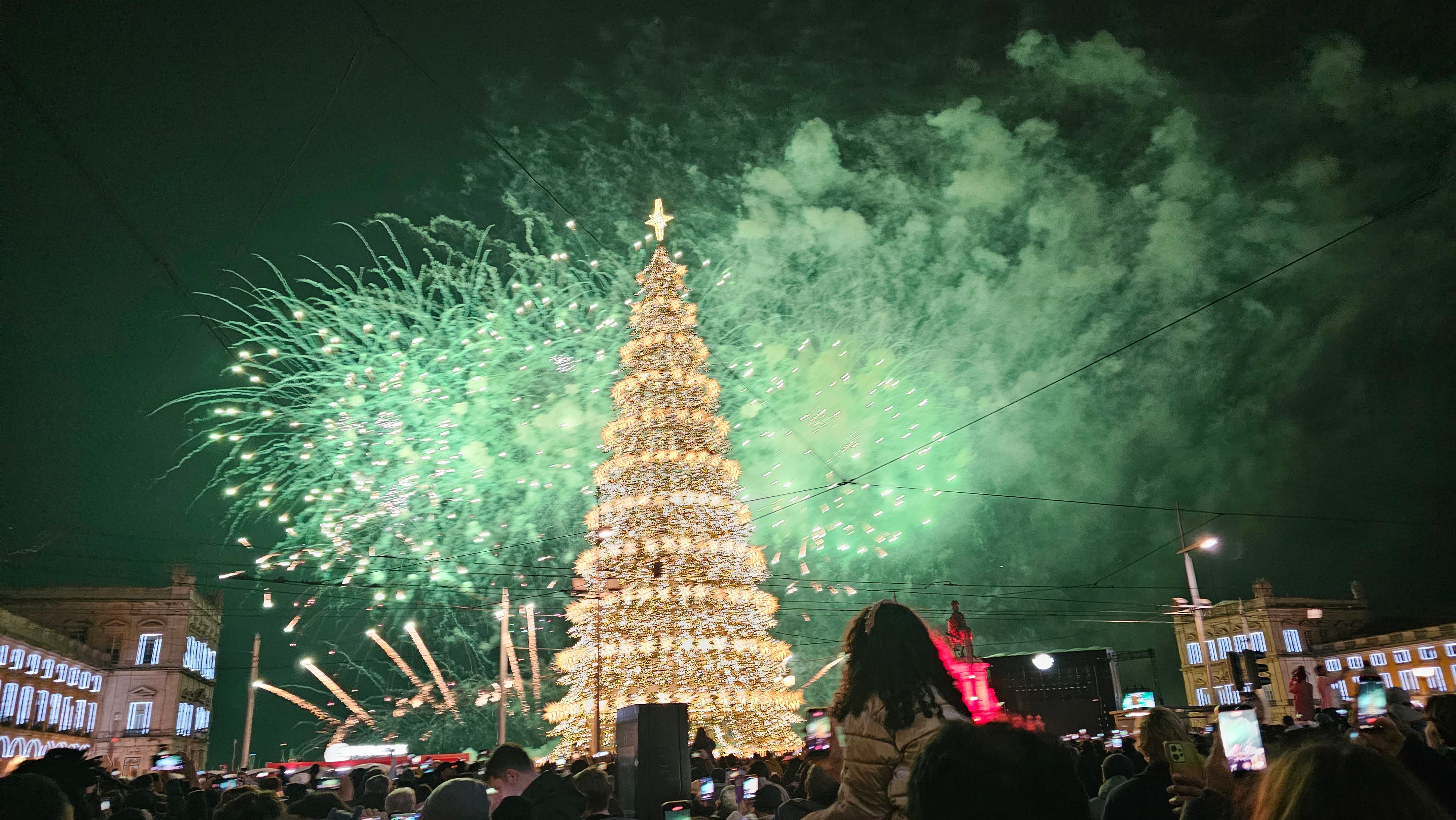
Lisbon knows how to throw a New Year’s party with an impressive fireworks display taking place over the Tagus River at the city’s main gathering spot, Praço do Comércio. A stories-high Christmas tree burst with gold lights. There was a stage with live entertainment. The sky was lit with images depicting traditional symbols of Lisbon and the season’s greetings, “Boas Festas” which translates to “Good Festivities.” The crowd was celebratory and civil, respectful of the massive police presence and crowd control barricades.
Lisbon has a few New Year’s traditions such as eating twelve raisins- or grapes- for good luck, putting money in your shoes for prosperity and wearing blue underwear for good luck. Other customs include cleaning your house and putting new sheets on the bed to start the new year afresh and wearing new clothing to eliminate negativity. It is customary to dine on seafood and pork for abundance. A common superstition is that eating poultry for your year-end meal means your good luck may fly away.
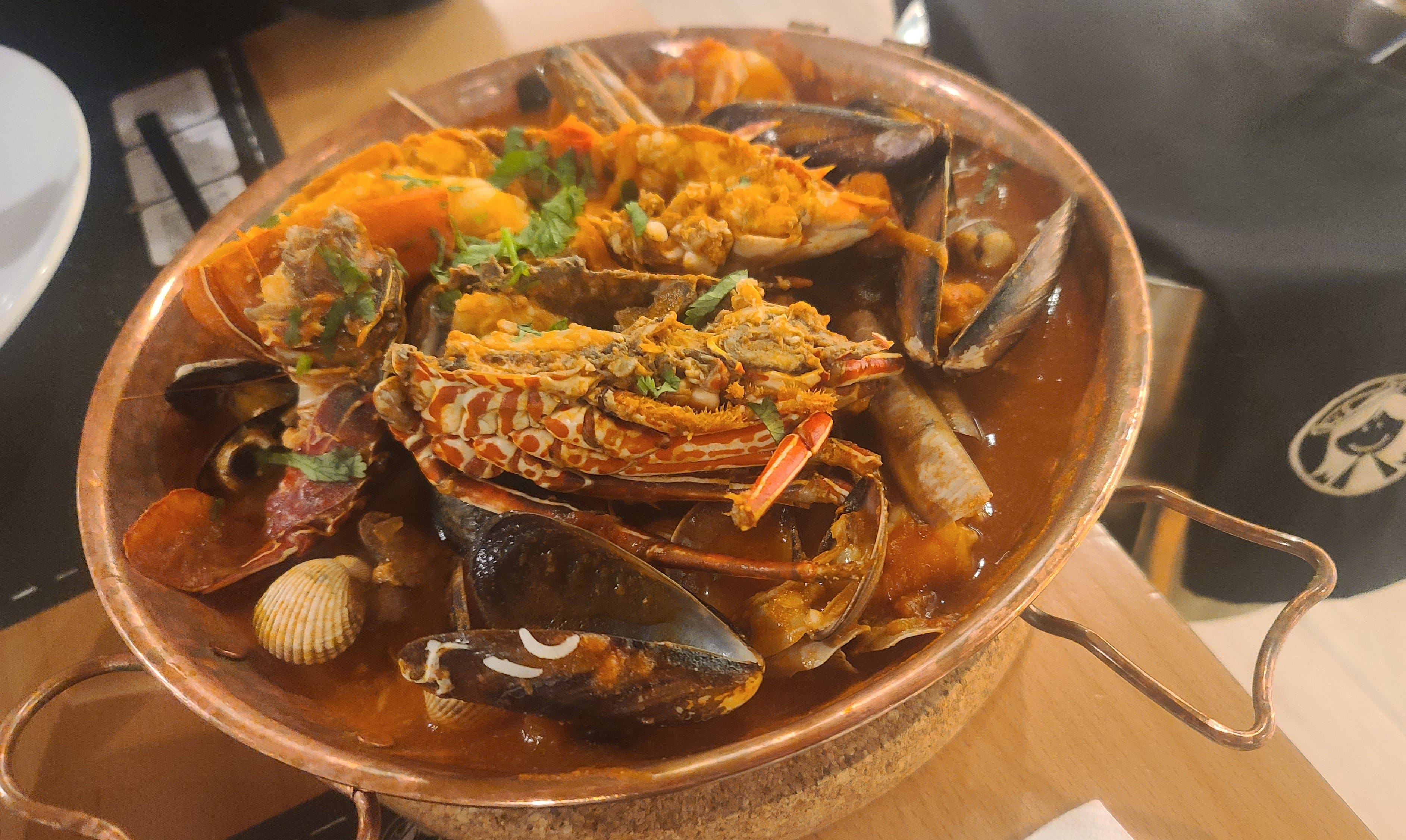
Lisbon feels like a mashup between New Orleans and San Francisco with its unique architecture and streetcars crisscrossing the city. There are steep hills like San Francisco and crumbling streets like New Orleans. Soulful Fado music and Bossa Nova beats can be heard in neighborhood taverns and bars. The cuisine has accents of Iberia, Africa and Asia: seafood stews like Cataplana, rice dishes like paella, hearty Caldo Verde soup, Bifana, a marinated pork sandwich, spicy sausages and Jamón Ibérico.
Like both New Orleans and San Francisco, Lisbon suffered a massive disaster that changed the city. It was a tragic trifecta of events. On the morning of November 1,1755, a large earthquake struck Lisbon which triggered a tsunami. Lisbon’s citizens were attending church services for All Saints Day that morning. Candles lit in the homes and churches were knocked over, resulting in a firestorm which burned for hours. An estimated 30,000 to 40,000 people were killed and eighty-five percent of Lisbon’s buildings were destroyed. Rebuilding took many years, and the city suffered economically.
In the twentieth century Portugal was under a forty-year dictatorship led by António de Oliveira Salazar. It was one of the longest authoritarian regimes in Europe. In 1974 a military coup overthrew the regime in what is referred to as the “Carnation Revolution.” Our tour guide, a history teacher, told us that on the day of the revolution, a street vender named Celeste Caeiro handed out red carnations which local citizens placed in the solders’ rifle barrels as a gesture of hope and freedom. Celeste became a legendary heroine whose photo you may see here and there. Each Freedom Day (Dia de Liberdade), April 25, locals decorate with red carnations.
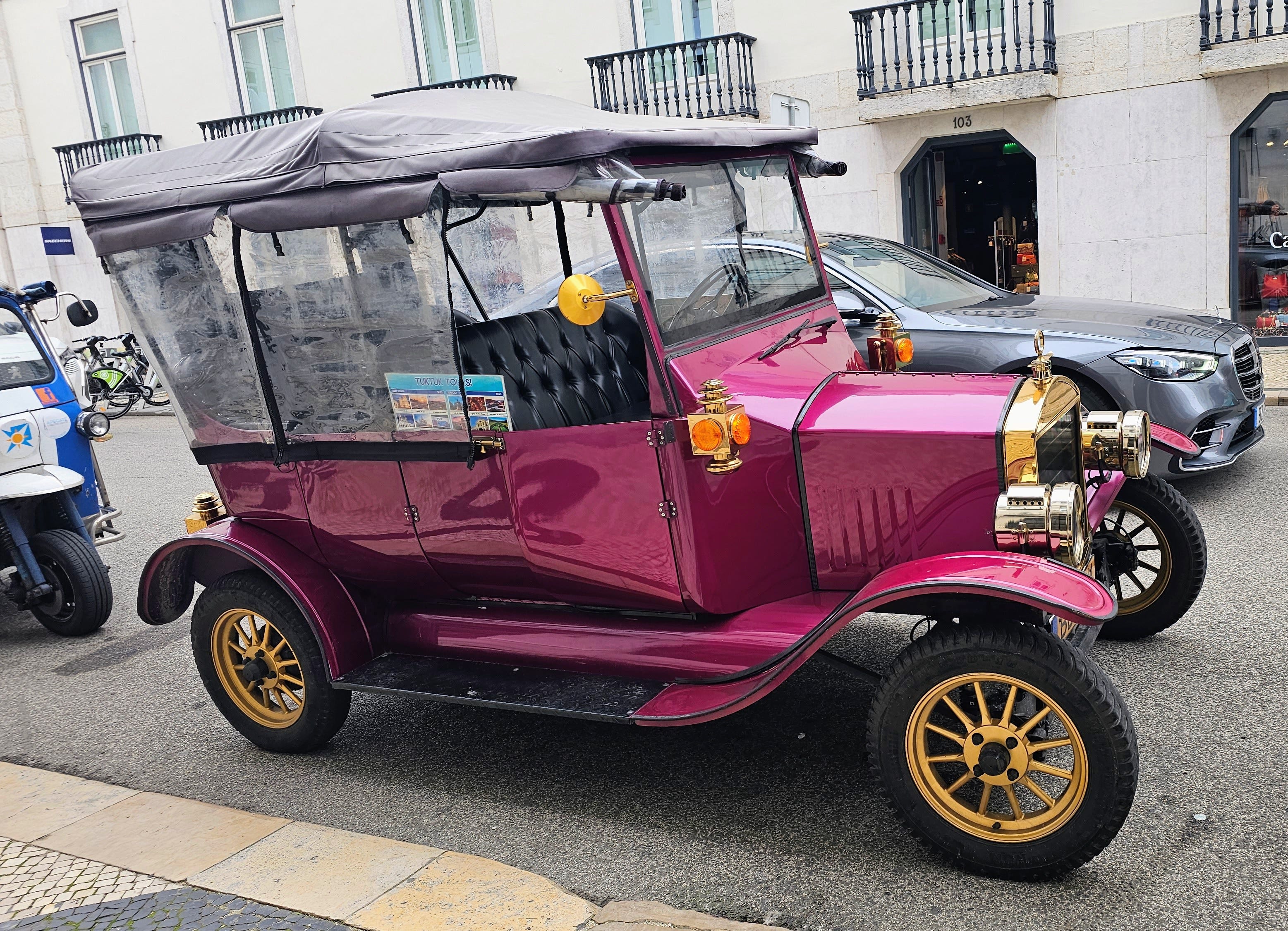
I find the best way to experience a city is on foot. Bring comfortable walking shoes to navigate Lisbon’s steep hills and stone streets and an umbrella for occasional downpours, especially during the winter months. If you are not up to strenuous walking, there are plenty of transportation options to see the sights: street cars, tuk tuks, colorful Tin Lizzie cars and mopeds, scooters and bicycles (if you dare). Uber and Bolt car services are inexpensive compared to the U.S. fares.
We signed up for free walking tours to explore different neighborhoods and tipped our guides generously for their wealth of information which included their favorite local restaurants and bars. We also took a culinary walking tour with Eating Europe and discovered some terrific places we would have walked right by, including a delightful tavern serving Mozambique food whose female chef has cooked at The James Beard Foundation.
Dining in Lisbon is affordable if you stick to the local taverns, known as tascas, that serve traditional Portuguese fare at fair prices. You can also splurge on pricey Michelin- rated or similar restaurants. We only drank Portuguese wines which provided us plenty of range for quality and value. Given my preference for seafood, which is plentiful Portugal, I stuck with whites, from the Dao and Vinho Verde regions and sparkling from the Bairrada DOC. We drank bolder reds from nearby Alentejo and the Douro Valley.
Many say the Portuguese have one hundred ways to prepared cod, especially bacalhau which is commonly served with potatoes. Bacalhau à Bras is dish conceived for economy and minimal food waste. Envision soaked and shredded salt cod cooked with sauteed onions, mashed potatoes, garlic and sometimes chopped black olives. Bind the mixture with a whipped egg and top with crispy matchstick potatoes.
I personally do not like the taste of bacalhau, so I pursued an ABC “anything but cod” approach to eating seafood in Lisbon. Happily, I found many delicious options including outstanding shellfish dishes, simply prepared grilled fish and sushi. You can try a range of specialties at the Time Out Market which we visited twice. The market was crowded, and we jostled for seats. It is best to go off hours. There is an adjacent fresh fruit and vegetable market.
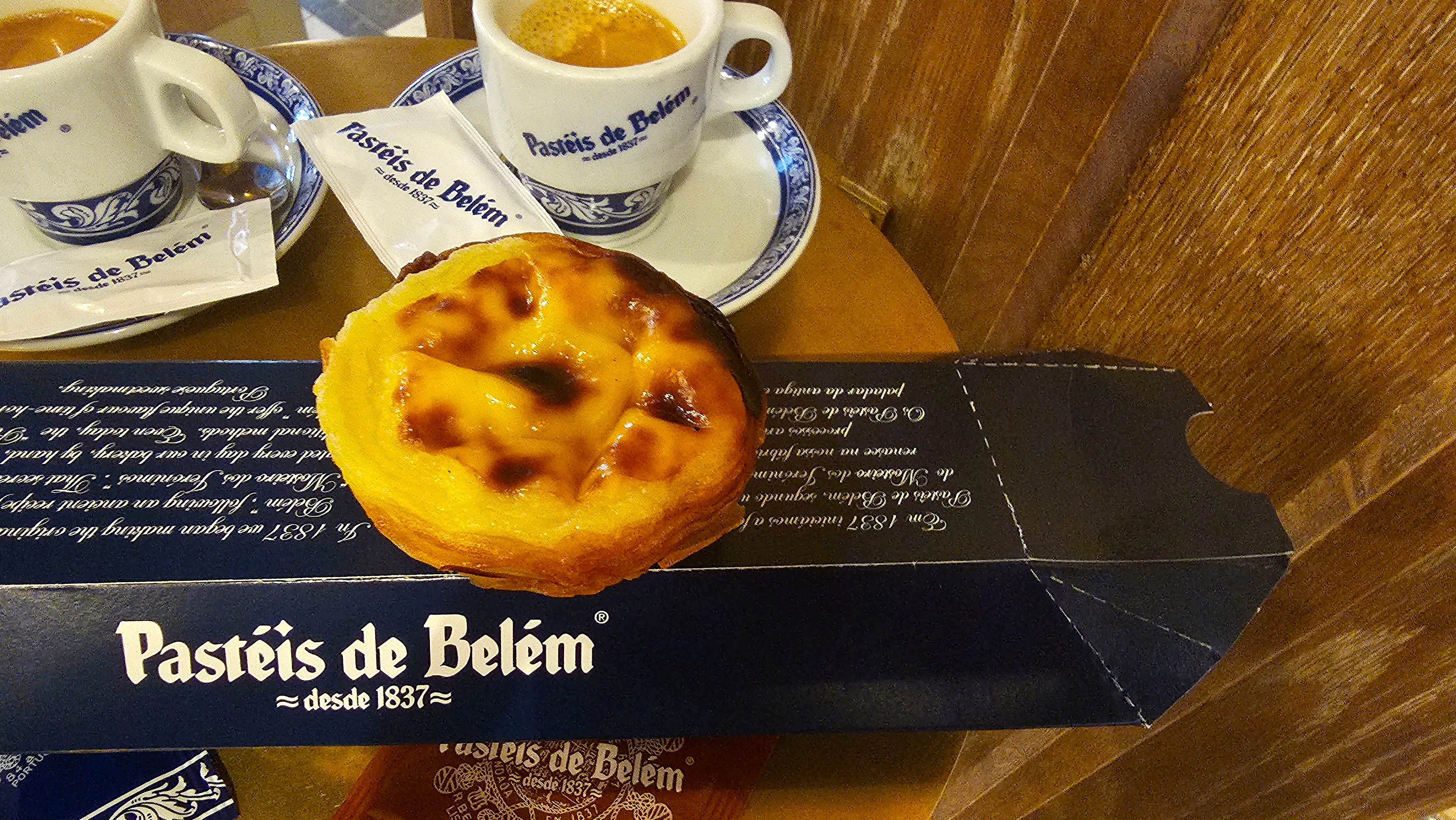
There was always room for another pastel de nata, the sweet egg custard tart that originated in Lisbon’s Jerónimos Monastery in Belém, just outside the city center near the royal palace. Centuries ago, the nuns used egg whites to starch the clergy’s robes. The surplus egg yolks were repurposed to make pastries including the creamy custard tart now known as pastéis de Belém. Even though you can find delicious pastéis de nata all over Lisbon, every visitor should make at least one pilgrimage to try the Fábrica de Pastéis de Belém for the original version which dates to 1837. Having tasted half a dozen pastéis de nata, I found the original has a lighter, crispier crust and appealing burnt sugar glaze. It is worth the Uber ride to Belém and the wait in line to try the original Pastéis de Belém.
I am compiling a list of places we dined, recommendations from our insider tour guides and other tips. My paid subscribers will have access to this list plus others that I plan to create from all my travels. Paid subscribers can also benefit from any introductions I can provide for local tour guides and wineries.
Bela Lisboa, Muito obrigada pela sua hospitalidade. Até nos encontrarmos novamente (Thank you for your hospitality. Until we meet again).